
Personal Property Insurance · Florida
Personal Property
Jewelry & Valuables
Extra coverage for high-value items like jewelry, furs, and watches.
Electronics
Protection for TVs, sound systems, and home computers from covered loss.
Away From Home
Belongings may still be covered while you're traveling.
The Importance of Personal Property Insurance
Your personal property may reflect years of memories, purchases, and financial achievements. Protecting your personal belongings helps reduce the financial burden of replacing them after covered damage or loss.
You may benefit from personal property insurance for items of high value in your home. From jewelry to TVs and sound systems to home computers, personal property insurance may help protect your personal belongings if they are damaged, lost, or stolen due to a covered event.
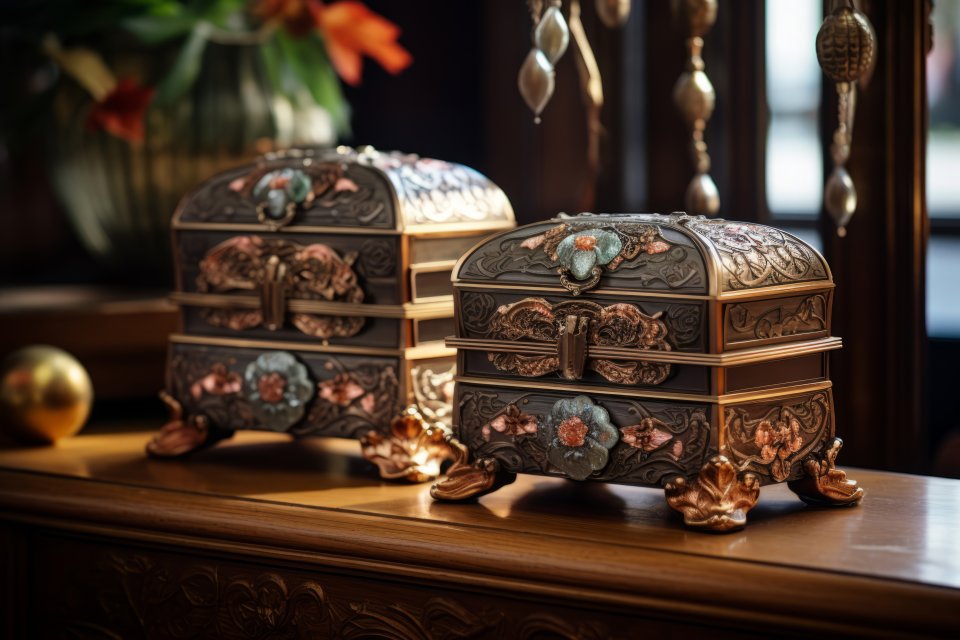
Homeowners Insurance Personal Property Coverage
Homes in Florida are typically insured under a standard homeowners insurance policy, which may include coverage for structures and personal property. The belongings in your home, such as furniture, clothing, stereo equipment, and outdoor items, make up your personal property under homeowners insurance. Your homeowners insurance policy typically sets a percentage of the dwelling coverage in your policy as the limit for personal property coverage.
Condominium or co-op unit owners may have similar personal property protection to traditional single-family homeowners. This type of coverage typically protects belongings inside the unit and other areas covered by the policy. For building coverage, you will need to refer to condo or co-op documents that list the amount of coverage you may need for the building. It is important to get the exact required amount in writing from the condo or co-op association for documentation and future reference.
Limits For Personal Property Coverage In Florida
Specific coverage limits may apply to certain individual categories under a homeowners insurance policy. This information can be found under the “Special Limits of Liability” section of your policy document. Please note that some categories have limits to cover theft but not damage or destruction. This is mainly because some items, such as jewelry, furs, and firearms, are considered more likely to be stolen.
Insurance companies may set specific limits for theft of certain items, as theft may occur more frequently than damage or destruction. For damage or destruction, you may be covered up to actual cash value. Here are some examples of standard limits for personal property insurance categories:
- Money, bank notes, bullion, gold, silver, coins, and metals: $200
- Securities, accounts, deeds, letters of credit, notes (excluding bank notes), manuscripts, personal records, passports, tickets, and some similar items: $1,000
- Theft of jewelry, precious and semi-precious stones, furs, and watches: $1,000
- Theft of firearms: $2,000
- Theft of silverware, silver-plated ware, goldware, gold-plated ware, and pewterware: $2,500
- Residence property for business use: $2,500
- Non-residence property for business use: $250
Keep in mind, these are just examples and the actual limits in your policy may differ.
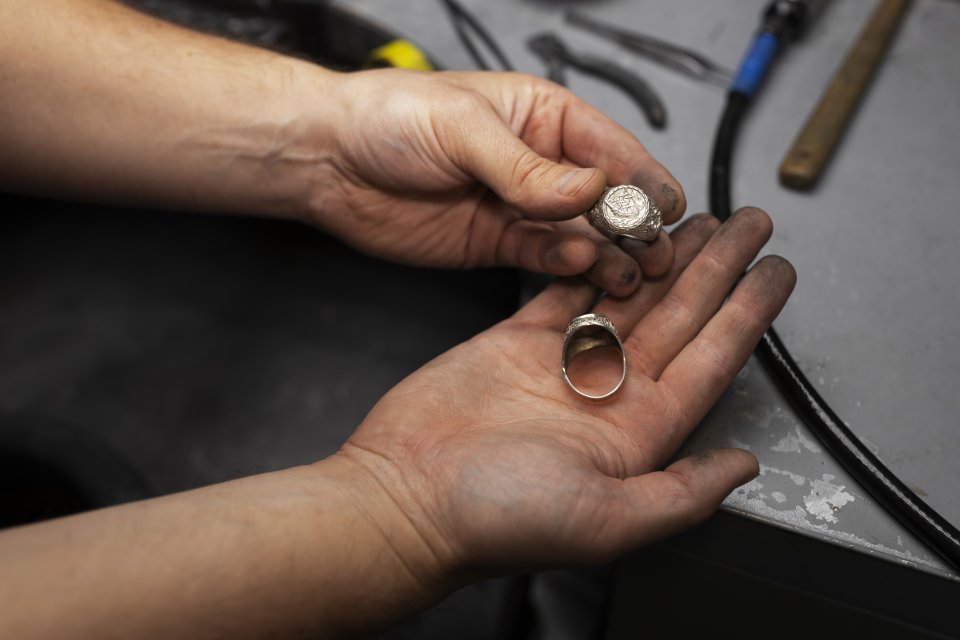
Extra Coverage
It is common for the value of certain personal possessions to be higher than the limits specified in a homeowners insurance policy. You may purchase a Scheduled Personal Property endorsement or floater to increase your coverage beyond the limit in this situation.
In some cases, you may need a higher jewelry limit to cover wedding and engagement rings, or a higher limit for a collection of family heirloom silverware. The price and condition of your property must be verified to purchase a personal property rider. You can do this by creating an inventory list with photos or a video. You may also need a professional appraisal to verify the value of your belongings.
Make sure you store the inventory list in a secure spot away from the insured premises, such as a safe deposit box, so you do not lose the inventory in the event of a covered loss or accident.
Personal Property Coverage For Renters
It is a common misconception that renters are protected under their landlord’s homeowners insurance policy. The building is covered under the landlord’s policy, but tenants’ possessions may be covered under a renters insurance policy. Since renters often live close to other people and families, they may be considered at a higher risk for loss of personal property.
A renters insurance policy is an affordable option that may help provide coverage for your belongings against loss or damage from covered events listed in the policy, such as broken pipes, fire, and theft. Additionally, renters insurance may provide coverage for potential liability claims filed against you. These claims may arise from situations where you are held responsible for damage or injury. For example, if you are held liable for damage to the building caused by a fire that started in your oven after you forgot to turn it off, the liability protection in your renters insurance policy could help protect you in this instance.
Protection for Belongings Away From Home
Personal property insurance can help protect your belongings even if you are away from your home. For instance, you may still be covered under your personal property insurance for the loss of a valuable belonging while you are on vacation. Your policy may cover that loss if it results from a covered peril or event, since location may not be taken into consideration. Covered perils and events are listed in your personal property insurance policy.
Property Coverage to Fit Your Needs
An efficient way to determine the right amount of personal property coverage is by creating an inventory of the belongings in your home. Your key belongings may include appliances, furniture, jewelry, artwork, clothing, shoes, silverware, dishware, and children’s toys.
An inventory list may include the following information, where possible:
- Serial number
- Date
- Cost of the belonging
It is also helpful to organize the receipts for these belongings and include them in the inventory folder if you have them. When creating your inventory list, collect photographs or videos of your belongings. When creating a video of an item, specify details such as the characteristics of the item, when it was purchased, and how much it cost. As you update your inventory list, make sure to add any new major purchases. After a major purchase, contact your insurance agent to see if you need to increase your coverage.
After all of your items have been inventoried, you can calculate the cost to replace all of the items in your home to determine the amount of personal property coverage you need. Your property inventory should ideally be kept in a secure location away from your home. Potential locations are a safe deposit box or a relative’s home. In the event that your home is destroyed, your inventory list will still be intact, making it easier for you to file an insurance claim.
Determining Value
There are two ways to calculate personal property value in Florida:
- Replacement Cost: This covers the cost to replace damaged property up to a maximum coverage amount. Replacement cost does not account for depreciation.
- Actual Cash Value: This calculates the cost to replace damaged property by applying a depreciation deduction to the replacement value.
Personal property insurance typically covers actual cash value unless replacement cost coverage is explicitly listed in the policy. You may contact your insurance agent or check your policy to review how personal property is covered.
It is important to regularly check your homeowners or renters insurance policy to make sure that your coverage is up to date, as you buy new things or receive new gifts.
Ready to Protect What Matters Most?
Get personalized coverage from Florida’s trusted insurance professionals. Compare rates from 100+ top carriers today.